
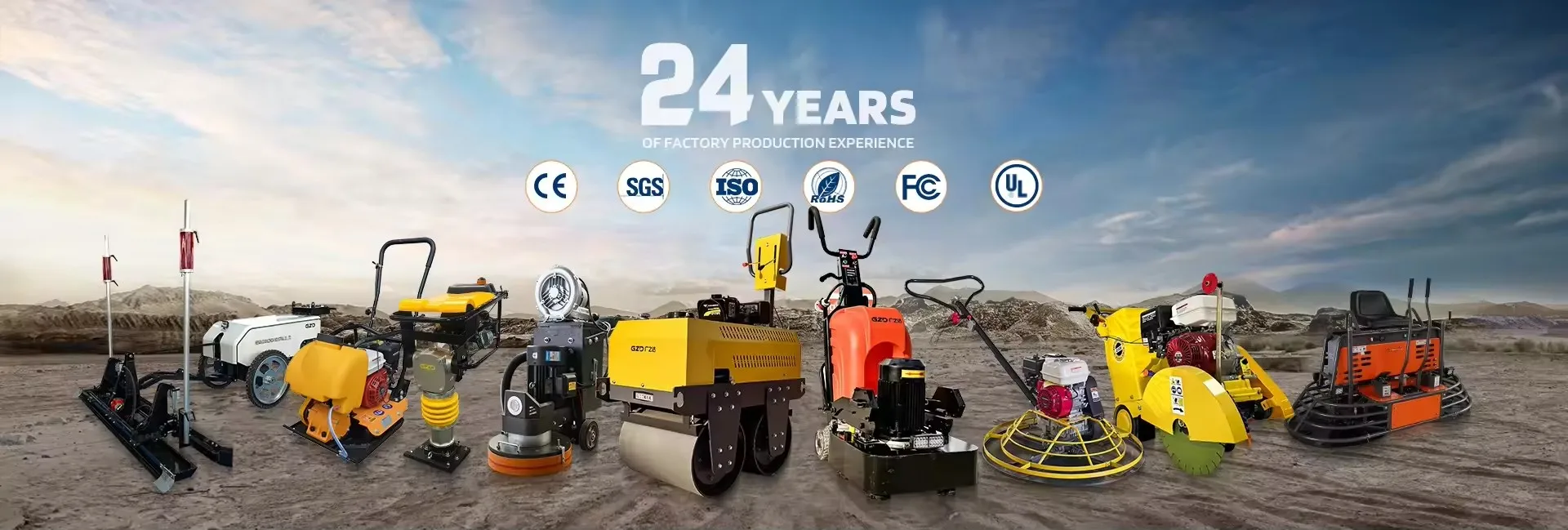


The innovation of the grinding disc system was the first breakthrough. I developed a nine-stage progressive grinding disc system: the first three stages use metal-bonded diamond grinding discs with grit sizes of 30/40/50, responsible for removing surface defects and leveling; the fourth to sixth stages use resin-bonded diamond grinding discs with grit sizes of 100/200/400, starting to establish the basic luster; the seventh to ninth stages use special polishing pads combined with diamond powder, with grit sizes of 800/1500/3000, ultimately achieving a mirror finish. For each grinding disc, I precisely calculated the diamond concentration and the hardness of the binder to ensure the optimal balance of cutting and polishing at different stages.
Precise speed control determines the surface texture. I calculated that a 5% fluctuation in speed would result in an 8GU difference in glossiness. My polishing machine uses variable frequency control technology, with the speed adjustable continuously within the range of 500-3000 rpm, with a control accuracy of ±5 rpm. During the rough grinding stage, I use 1200 rpm to ensure sufficient cutting force; during the medium grinding stage, I increase it to 1800 rpm, starting to establish the luster; during the fine polishing stage, I use 2500 rpm, combined with appropriate pressure, achieving a mirror effect. In the Munich test, this speed control system increased the gloss consistency by 40%.
The pressure regulation system optimizes the grinding effect. Traditional polishing machines rely on the operator's experience to control the pressure, while I developed a hydraulic pressure regulation system, allowing the pressure to be precisely set within the range of 20-100 kg. In areas with varying concrete hardness, the system automatically adjusts the pressure to ensure consistent grinding depth. I specially designed pressure distribution monitoring, using multiple sensors to ensure uniform pressure on the grinding disc, avoiding over-grinding or under-grinding in certain areas. In the Zurich project, this system controlled the flatness error within ±0.8mm/2m.
Cooling and lubrication technology prevents surface burn. During the high-speed polishing stage, the high temperature generated by friction may burn the concrete surface. I designed a micro-lubrication system, spraying 5-10ml of dedicated cooling liquid per minute, which not only lowers the temperature but also does not affect the polishing effect. The cooling liquid I specially formulated has a neutral pH value and will not corrode the concrete or pollute the environment. In hot environments, I increase the cooling fluid flow to 15ml/min to ensure that the surface temperature does not exceed 50℃.
Actual engineering verification establishes industry benchmarks. In the construction of the concrete art floor of the royal palace of the Saudi Arabian royal family, I needed to achieve a mirror finish on the engraved texture of the concrete surface. Through my nine-stage progressive system, during the final acceptance inspection, the average glossiness was detected using a gloss meter, reaching 92GU, with the highest point reaching 96GU. The data from the supervisory unit showed that my polishing machine's ability in concrete mirror surface treatment was 2.5 times that of traditional equipment.
Material adaptability optimization expands the application range. I optimized the grinding disc formula for different strength concrete: for concrete below C30, use a softer binder, with a diamond concentration of 15%; for C30-C50 concrete, use a medium-hardness binder, with a concentration of 20%; for high-strength concrete above C50, use a hard binder, with a concentration of 25%. This optimization allowed my equipment to achieve the best results on various strength concrete.


