
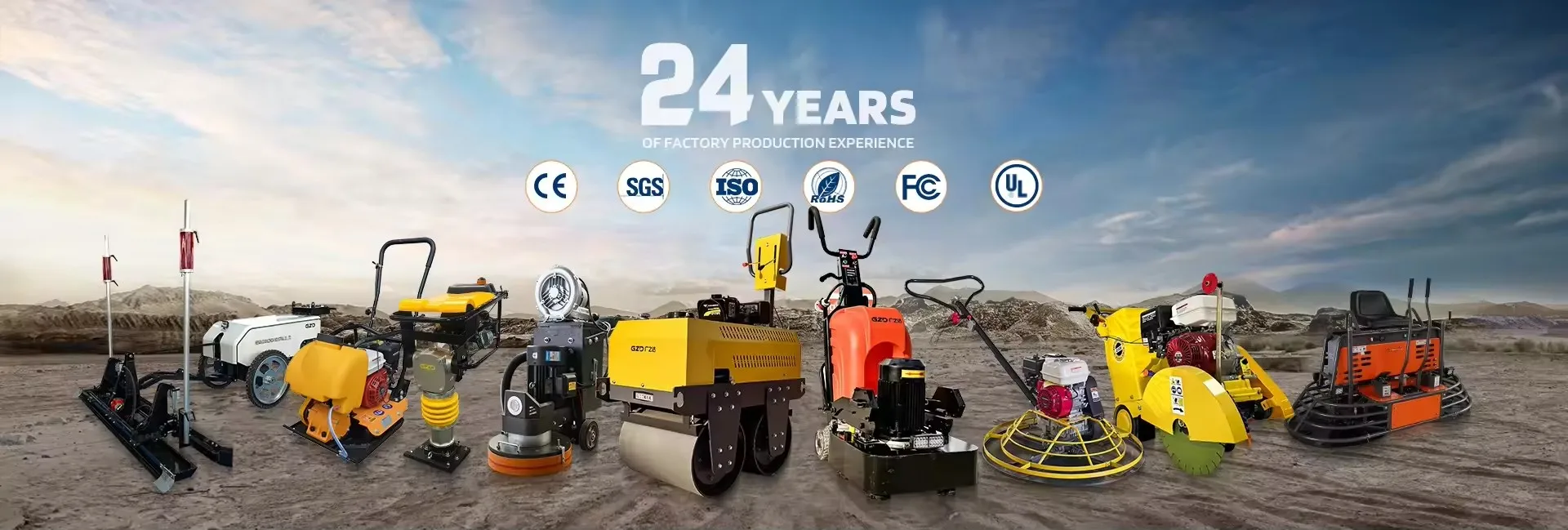
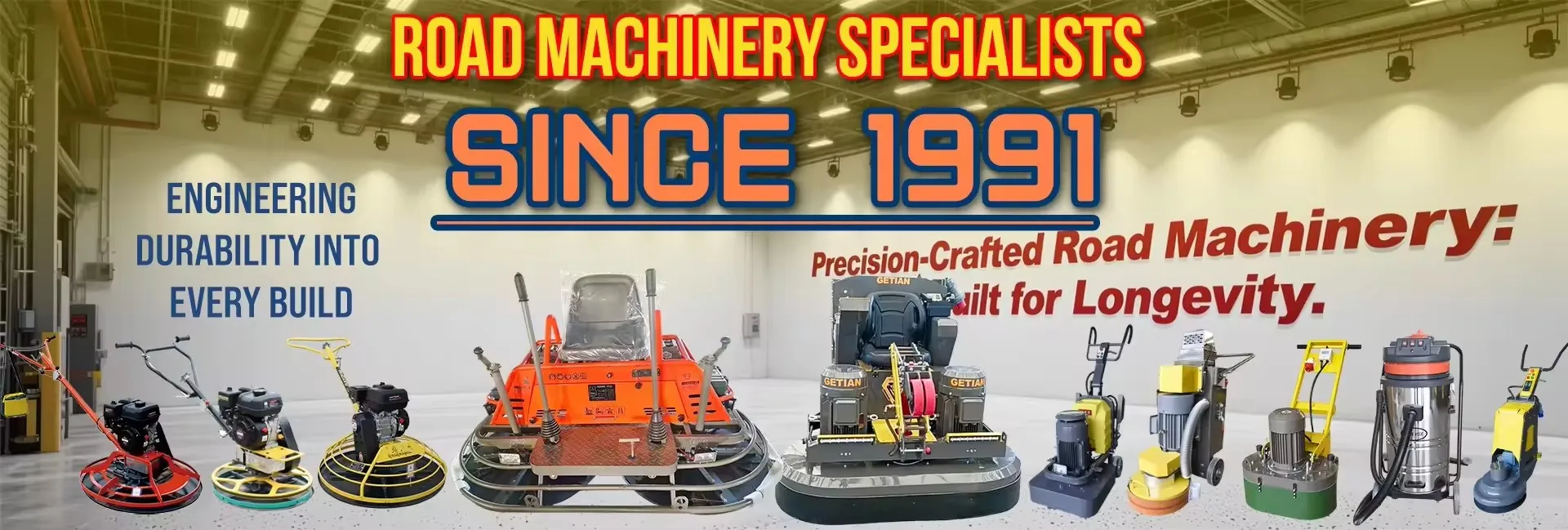
I’ve spent half my career in a cab and the other half wrestling equipment in trenches where you can barely turn around. Recently, I took a new double-drum walk-behind roller out to a residential driveway job that was nothing but tight corners and narrow passes.
If you’ve ever tried to compact sub-base or finish asphalt in a confined space, you know it’s not just about the machine’s size—it’s about how you handle it. Here is my take on how to run these compact units without wrecking the job (or your shins).
The Setup: Size Matters, But So Does Weight
The first thing I looked at was the footprint. For narrow trench work or sidewalk patches, you need a machine that is compact but still packs a punch. The unit I tested was a double-drum hydrostatic model—similar to what you’d see from the big commercial brands, but without the steep price tag.
One feature I appreciated was the adjustable ballast.
Balancing the Load: I noticed the ability to add or remove counterweights. This is crucial. If I’m on loose soil, I lighten it up so I don't bog down. On asphalt, I want that max static pressure.
The Drums: Instead of worrying about tire pressures (like on a ride-on pneumatic), you need to make sure your scraper bars are clean and your water spray system is working if you're on blacktop.
Pre-Start Walkaround
Before I even pulled the starter cord, I walked the "track." In a narrow cut, you don't have room for error.
Site Survey: I checked for rebar sticking out of the footings and large rocks that could hang up the drums.
Machine Check: I verified the hydraulic fluid levels and tested the tension on the control handle. A sloppy handle in a tight space is a recipe for disaster.
Handling the Tight Spots
Once the engine was warm, I put it to work. Here is how I managed the narrow sections:
1. Hydraulic Steering is Key The hydraulic steering on this unit was snappy. In the past, muscling a mechanical-steer unit around a corner was a workout. With this system, I could make micro-adjustments effortlessly. When you are inches away from a foundation wall, you need that precision.
2. Smooth is Fast I can't stress this enough: Don't jerk the throttle. When I started and stopped the machine, I kept the motion fluid. If you slam the lever forward or reverse, you’re going to leave divots in your mat, especially on hot asphalt.
3. Managing the "Vibe" The vibration control is where the amateurs get separated from the pros.
The Golden Rule: I always cut the vibration before I stop moving or change direction.
Why? If you leave the shaker on while the machine is standing still, you will dig a hole instantly. I saw clean transitions on this job because I was disciplined with the vibration switch.
4. Watch Your Edges When compacting near a fresh edge (like a drainage ditch or an unsupported shoulder), I kept my distance.
The Safety Margin: I recommend keeping the drum about 0.5 meters (approx. 20 inches) away from the sheer edge. If you get closer, the weight of the machine can shear off the soil, and down you go.
Safety in the Trench
Working in confined spaces means you have nowhere to run if the machine bucks. I made sure the area was clear of scrap lumber and other trip hazards. Most importantly, I tested the emergency stop (dead man's switch) on the handle. On this unit, it’s a pressure bar that reverses the machine if it pins you against a wall. Never, ever tape this switch down.
The Verdict
Operating a walk-behind roller in a tight squeeze isn't rocket science, but it demands respect. This unit handled the "narrow operations" test well because of its responsive hydraulics and manageable size. If you keep your speed steady, manage your vibration, and respect the edges, you’ll get a compaction density that rivals the big ride-on machines.


