
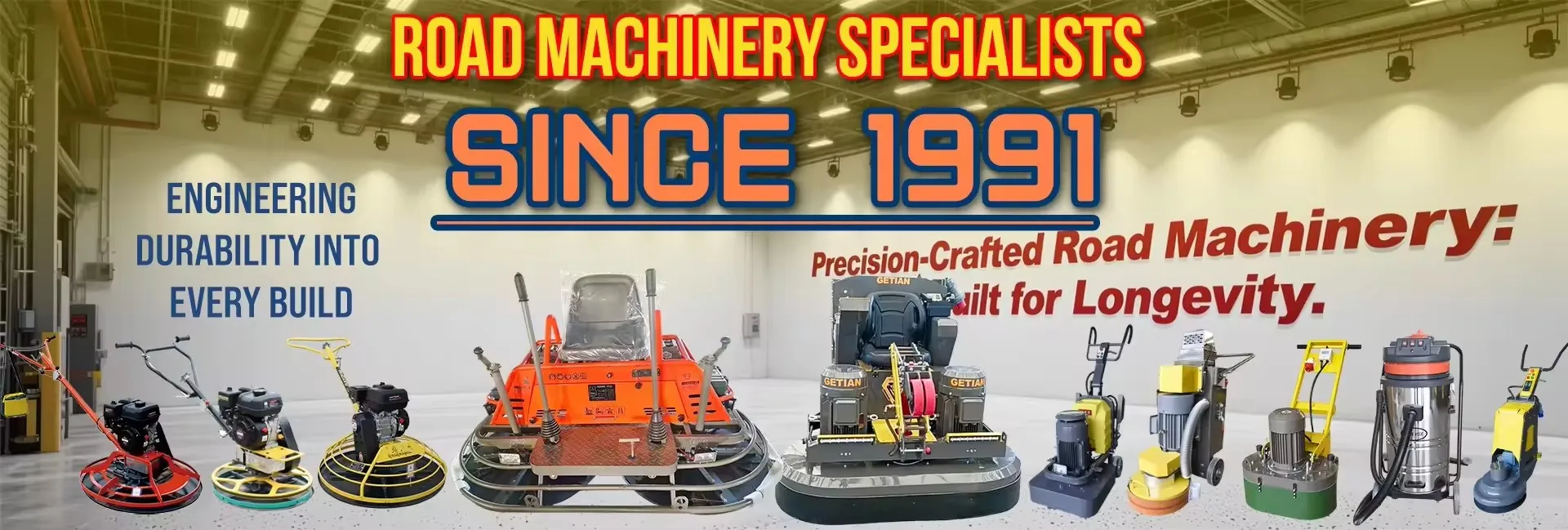
If you’ve been struggling with soft spots in your sub-grade or uneven turf, you know that hand-tamping is a one-way ticket to a backache and a failed inspection. I’ve recently been putting a series of walk-behind vibratory rollers through their paces—available in 1-ton (approx. 2,205 lbs), 2-ton (approx. 4,409 lbs), and 3-ton (approx. 6,613 lbs) configurations—and honestly, these things are the "pocket rockets" of the compaction world.
Whether you’re a landscape contractor laying high-end sod or a road crew patching asphalt, these double-drum units deliver the "hit" you need in a footprint that actually fits on a small trailer.
Versatility: From Backyard Sod to Jobsite Sub-Base
What really impressed me was how these machines handle different materials. I used the 2-ton (approx. 4,409 lbs) model on a recent project that involved both native soil compaction and laying down a fresh lawn.
The double-drum vibratory design is the secret sauce here. It packs the material tight and even, reaching the required density without the "washboard" effect you get from inferior gear. Because of the compact frame, it’s a lifesaver in tight quarters—think residential green belts, orchards, or narrow footpaths where a ride-on rig would take out a fence or a flowerbed.
Performance: High Frequency, Low Effort
Don't let the "walk-behind" label fool you; these aren't toys. The vibration frequency is high enough to lock in the aggregate quickly, which means fewer passes and a faster finish.
The controls are as intuitive as they come. It’s a standard hand-guided setup that anyone with a bit of site experience can master in five minutes. One feature I have to highlight is the stability—even the 1-ton (approx. 2,205 lbs) unit feels planted. I also noticed the engine on these units runs surprisingly quiet with decent fuel economy, which is a major win if you’re working in a noise-sensitive neighborhood.
Rugged Build & Pro Features
The chassis is built from high-strength steel, designed to take the daily abuse of a busy crew. Despite the "tough guy" exterior, it’s surprisingly easy to transport. In fact, the smallest 1-ton model is so nimble you’d swear it was lighter than the spec sheet says.
For those of you looking to level up your efficiency, these units often support add-ons like pressurized water kits for asphalt work or integrated gauges. It’s professional-grade iron that fits a DIY budget, making it a "must-have" for anyone serious about getting the grade right the first time.
The Bottom Line: If you're tired of "dry-land" compaction failures, stop guessing and start rolling. This series offers the perfect balance of weight and maneuverability.


