
I occasionally get into arguments with old-school guys who still want to cut structural rebar with a cutting torch or an abrasive chop saw. From a professional and engineering standpoint, thermal cutting is a massive liability on a structural pour. When you use a torch or a high-friction saw, you heat the end of the rebar to extreme temperatures. This creates what metallurgists call a Heat-Affected Zone (HAZ).
The extreme heat followed by rapid cooling changes the crystalline structure of the steel, making the end of the bar incredibly brittle. If that bar is placed in a high-stress area of a foundation—like a seismic tie-in or a load-bearing column—that brittle end can develop micro-fractures and fail under tension.
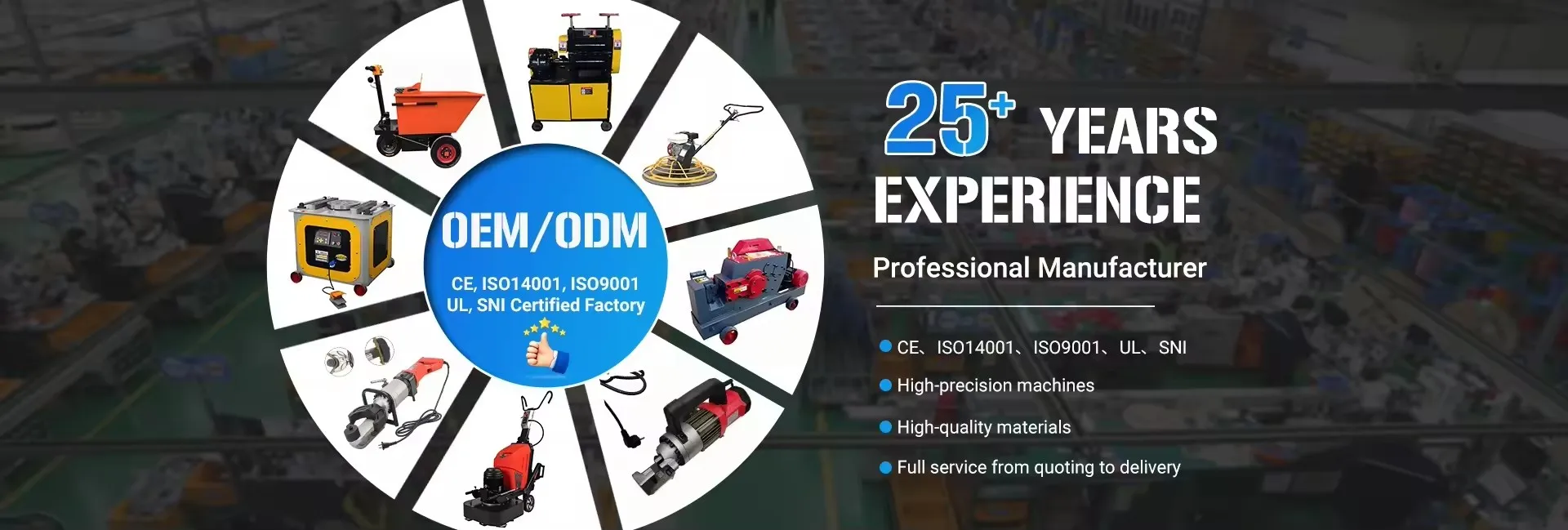
This is exactly why structural engineers and building inspectors prefer, and often mandate, the use of a cold shear machine. An electric rebar cutter slices through the steel at room temperature. It separates the metal through sheer mechanical force, preserving the original temper, yield strength, and ductility of the steel right to the very tip of the bar. It leaves a slightly pinched but clean face, with absolutely zero structural degradation. In the commercial world, where a failed inspection costs thousands of dollars a day, cold shearing is the only acceptable method.


