
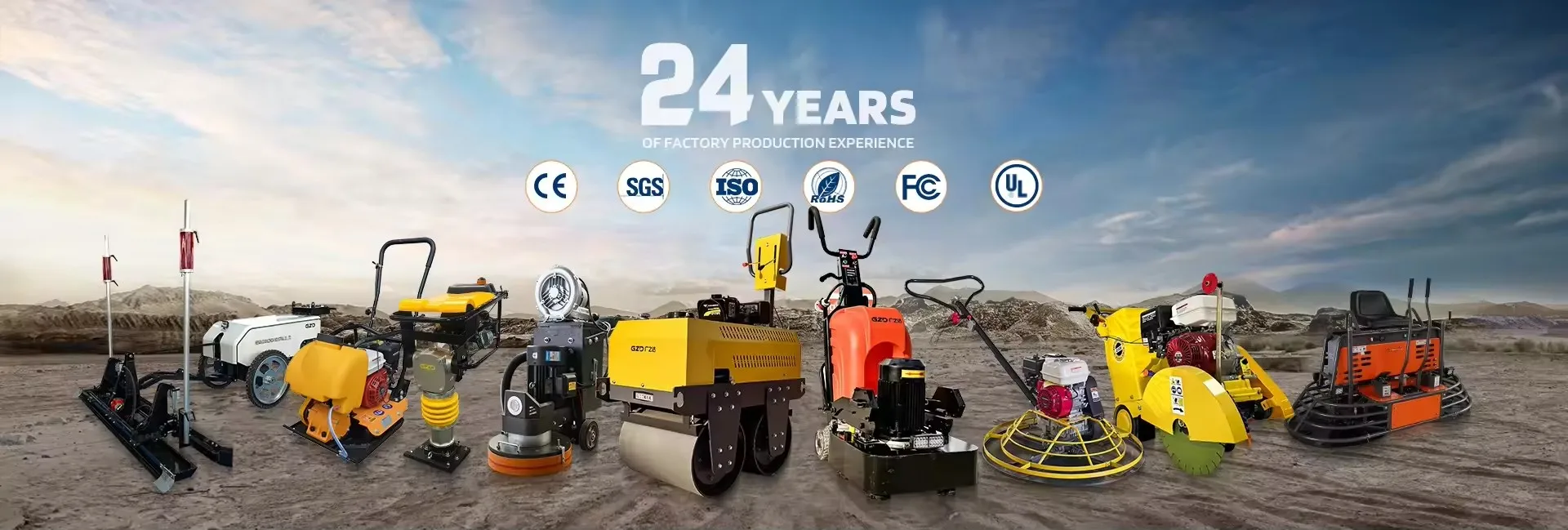


Using a walk-behind double-drum roller on hot mix asphalt is an art form that requires a deep understanding of thermodynamics. Asphalt is sticky. If the temperature of the HMA is sitting around 150°C [approx. 300°F], and you run a cold, dry steel drum over it, the bitumen will instantly bond to the metal. Within seconds, your perfectly smooth drum will be wrapped in a thick, uneven layer of asphalt, completely tearing up the mat behind you and ruining the job.
To prevent this, commercial-grade rollers are equipped with integrated water sprinkler systems. A large poly tank—usually holding around 20 to 40 liters [approx. 5.3 to 10.5 gallons]—feeds water down to a spray bar positioned just above each drum. Before I ever touch the hot asphalt, I open the valves and ensure a fine, even mist of water is coating the entire width of the steel. The water acts as a thermal barrier and a lubricant, preventing the hot bitumen from sticking to the cold steel.
However, you have to monitor the water flow meticulously. If you use too much water, you will rapidly cool the surface of the asphalt, creating a "crust" while the material underneath remains hot and soft, leading to immediate cracking under the weight of the roller. Working in tandem with the water system are the scraper bars. These are adjustable, spring-loaded polyurethane or steel blades that ride tightly against the drum. They act as the final line of defense, scraping off any rogue pebbles or sticky binder that manages to bypass the water film. Keeping your water tank full, your spray nozzles clean, and your scraper bars perfectly tensioned is the only way to achieve that dark, glass-smooth finish on a commercial patch.


